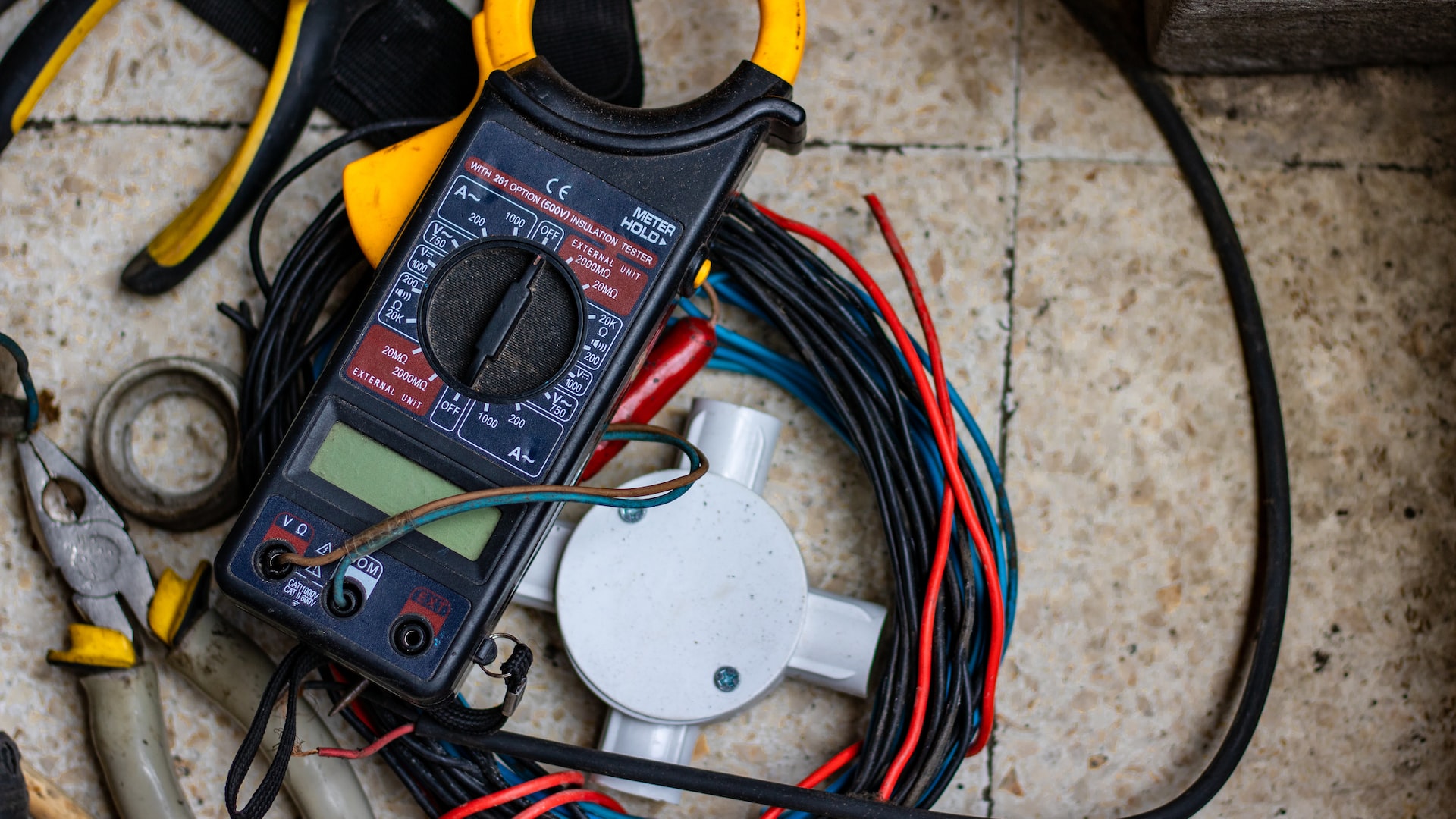
The first sign that a home needs electrical attention is not always dramatic. Sometimes it is the kitchen light that flickers when dinner is underway, a ceiling fan that has stopped turning smoothly, or the daily shuffle of chargers between too few power points. These small frustrations can become so familiar that everyone learns to work around them.
Yet a comfortable home should work with its occupants, not against them. Lighting should suit the way rooms are used. Appliances should have appropriate connections. Outdoor paths should feel welcoming after dark, and the electrical system behind the walls should support everyday life safely.
For Auckland households, Central Auckland Electricians is a local company to consider when arranging electrical repairs, installations, safety checks, or larger residential upgrades. If you need an experienced electrician in St Heliers for home repairs and upgrades, the useful starting point is the same—understanding what the property needs before deciding what to change.
Choosing an electrician in St Heliers
Finding an electrician is partly about fixing a problem, but it is also about finding someone who can explain it clearly. Homeowners should feel comfortable asking what caused a fault, whether a repair is practical, and whether related parts of the installation need attention.
In St Heliers, the conversation might concern an older home being modernised, a recently purchased property with an uncertain maintenance history, or a family house adapting to busier routines. A small business owner working from home may have different priorities again, particularly when computers, lighting, and other equipment are running throughout the day.
Professional local electricians should help turn those everyday requirements into a sensible scope of work.
What to discuss before booking
A little preparation can make the first conversation more useful. Describe the symptoms rather than trying to diagnose the fault yourself.
Useful details include:
- Which lights, outlets, or appliances are affected.
- Whether the problem is constant or intermittent.
- When it first appeared.
- Whether any circuits have been tripping.
- Any recent renovations, leaks, or appliance changes.
- Whether the work is urgent or part of a planned improvement.
Ask who will carry out the work, what qualifications and licensing apply, and what certification or documentation will be supplied where required. Clear expectations about access, timing, and pricing help avoid unnecessary surprises.
Electrical Safety Checks That Look Beyond Appearances
Fresh paint and attractive fittings can make a room look finished without revealing much about its electrical condition. Behind a tidy switch plate may be wiring or connections that deserve professional assessment.
Electrical safety checks are particularly worth discussing when buying a home, preparing for renovations, or noticing recurring problems. They can also help owners prioritise improvements rather than replacing items without a clear plan.
Signs that warrant attention
A socket that feels unusually warm, a persistent burning smell, buzzing from electrical equipment, or repeated circuit tripping should not become part of the household routine.
Discoloured fittings, damaged cords, loose outlets, and lights that behave unpredictably also deserve attention. None of these signs identifies a single cause on its own, which is why professional diagnosis matters.
If something appears unsafe, stop using it. Do not remove covers, investigate wiring, or repeatedly reset a circuit in the hope that the problem will disappear. Electrical repairs are not a suitable trial-and-error DIY project.
Residential Electrical Upgrades for Modern Routines
Many homes were wired for a less demanding collection of appliances. Today, one household might charge several phones, run a home office, use multiple kitchen appliances, and expect reliable lighting indoors and out.
Residential electrical upgrades should begin with how the property is actually used. A thoughtful plan can be more valuable than simply adding fittings wherever an inconvenience appears.
Power points where people need them
Adding electrical power points can reduce reliance on temporary arrangements and make rooms easier to use. Consider the bedside charging spot, the vacuum cleaner’s awkward reach, or the desk that has quietly become a permanent workplace.
An electrician can assess suitable locations and whether the existing circuits can accommodate the proposed additions. New outlets do not automatically mean more electrical capacity; the circuit behind them matters just as much.
Switchboards that suit the installation
Residential switchboard installation or replacement may be recommended where equipment is outdated, damaged, unsuitable, or unable to support planned changes.
A switchboard is not merely a box to hide in a cupboard. It distributes electricity and contains protective equipment. Its suitability should be assessed alongside the wiring, circuits, and demands of the property.
Ask the electrician to explain the proposed protective devices, circuit labelling, and any work needed beyond the switchboard itself.
House Rewiring Without Unnecessary Guesswork
The words house rewiring can sound daunting, especially when a home is occupied. However, the right scope depends on the condition of the installation, not simply the age or appearance of the house.
Some properties may need targeted repairs or partial upgrades. Others may require more extensive work because of deteriorated wiring, unsuitable alterations, or broader safety concerns.
Planning around renovation work
If walls or ceilings will already be opened during a renovation, it is worth discussing electrical installation early. Coordinating electrical contractors with builders and other trades can help avoid reopening newly finished surfaces later.
Before work begins, ask about:
- Which areas need new wiring and why.
- Likely access requirements.
- Expected interruptions to power.
- Protection of furnishings and occupied spaces.
- Responsibility for making good any affected surfaces.
- Testing and documentation at completion.
A clear plan makes a substantial project easier to understand and budget for.
Kitchen Electrical Work With Everyday Practicality
Kitchens bring together heat, water, food preparation, and several high-demand appliances. Good electrical planning is therefore as much about usability as appearance.
A kitchen electrician can help position outlets around the working layout while assessing the connections required for new equipment.
Oven and appliance installation
Oven installation should never be treated as a simple matter of whether the appliance fits the available cabinet space. Electrical requirements vary, and a replacement model may not suit the existing connection or circuit.
Before ordering an appliance, check its specifications and discuss them with the installer. This is particularly useful when changing cooking arrangements or choosing equipment with different power requirements.
The same principle applies to other electrical appliance installation. Planning ahead can identify required alterations before delivery day, rather than leaving a new purchase sitting unused in the kitchen.
Lighting That Makes Rooms Feel Better
Good lighting rarely depends on one bright fitting in the middle of a ceiling. It comes from matching light to tasks, movement, and atmosphere.
An interior lighting electrician can help homeowners think about where illumination is needed and how different fittings will work together.
Build light around daily activities
Kitchen preparation areas need useful task lighting. Reading corners benefit from comfortable, directed light. Hallways and stairs need clear visibility, while living spaces may benefit from more flexible control.
Dimmers can add versatility, but lamps, fittings, and controls must be compatible. Existing switches and wiring may also affect what is practical.
For a home office or small client-facing business, lighting deserves particular attention. Glare on screens and deep shadows over work surfaces can make an otherwise attractive room tiring to use.
Make outdoor spaces easier to navigate
An exterior lighting electrician can assess entrances, paths, steps, and outdoor living areas. The aim is not to flood the entire property with light, but to illuminate the places where people need to see.
Security lights should be positioned with similar care. A security lights electrician can help consider sensor coverage, nuisance triggering, glare, and the effect on neighbours. Outdoor fittings must also be suitable for their environment.
Ceiling Fans and Smoke Alarms Deserve Proper Attention
Some electrical improvements are modest in scale but valuable in daily life. Ceiling fans and smoke alarms are good examples, although they serve very different purposes.
Keep air moving comfortably
Ceiling fan installation involves more than choosing a style. Mounting support, clearances, controls, and electrical connections all need consideration.
If an existing fan wobbles, makes unusual noises, or fails to operate correctly, arrange an assessment. Ceiling fan repair may be appropriate in some cases; in others, replacement may be the more sensible option. Avoid using a fan that appears loose or damaged.
Treat smoke alarms as essential equipment
A home smoke alarm should not be an afterthought added at the end of a decorating project. Alarm selection, placement, power supply, and maintenance all matter.
A smoke alarm electrician can advise on electrically connected systems and suitable installation arrangements. Owners of rental properties should also check the current New Zealand requirements that apply to their situation.
Follow manufacturer instructions for testing and replacement, and never assume an alarm is working simply because it is still attached to the ceiling.
Knowing When Electrical Help Cannot Wait
Electrical trouble does not always arrive during business hours. A fault late at night can leave a household wondering whether to wait until morning or seek an emergency electrician.
Searches for a “24/7 electrician”, “24 hr emergency electrician”, or “after hours electrician” often reflect that uncertainty. However, actual availability, response times, and charges must be confirmed directly with the provider.
Put immediate safety first
Burning smells, smoke, visible sparking, or electric shocks require urgent attention. Keep people away from affected equipment. If there is fire or immediate danger, call 111.
Switch off power only if it is safe to do so. Do not approach damaged electrical equipment, wet switchboards, or fallen power lines.
For an outage without obvious danger, check whether neighbouring properties are affected and consult the electricity network’s outage information. A network interruption and a fault within the property require different responses.
When contacting Central Auckland Electricians about urgent work, describe the situation clearly and confirm whether after-hours assistance is available, along with the applicable call-out terms.
Frequently Asked Questions
Can electrical repairs wait until a renovation?
Not necessarily. Safety concerns should be assessed promptly, even if a renovation is planned. An electrician can distinguish urgent work from improvements that may reasonably be coordinated with a later project.
Does an older home always need complete rewiring?
No. Age is a reason to investigate, not a complete diagnosis. The condition and suitability of the wiring, previous alterations, and proposed electrical demands should guide the recommendation.
Should I buy lighting fittings before speaking to an electrician?
It is often better to discuss the plan first. Suitability, compatibility, installation access, and environmental requirements can affect which products make sense.
What should a small business owner ask about?
Discuss equipment demands, lighting, outlet locations, access arrangements, and the effect of downtime. If the premises are leased, confirm any landlord or property-manager approvals before authorising alterations.
How can I prepare for a visit?
Provide a clear description of the work, make relevant areas accessible, and have appliance specifications or renovation plans ready. Ask in advance whether power will need to be disconnected.
Make Your Next Electrical Improvement Count
The most useful electrical work solves today’s problem while considering how the property will be used tomorrow. That might mean repairing a faulty outlet, improving kitchen connections, replacing an unsuitable switchboard, or planning lighting that makes a home feel more welcoming.
For Auckland homeowners and small business operators, Central Auckland Electricians offers a starting point for discussing those needs. Use the company’s website to review service information, then ask directly about scope, availability, qualifications, and pricing.
A well-planned electrical project does not need to be extravagant to make a difference. Sometimes the greatest improvement is simply a home that feels safer, works more smoothly, and no longer asks everyone to work around its limitations.